Overview
Forest hill shrine of Lord Ayyappa in Kerala's Periyar Tiger Reserve, open mainly in the Mandala–Makaravilakku season and reached on foot from Pamba.
History & significance
The story of Sabarimala
Sabarimala lies in the forested Western Ghats of Pathanamthitta district, inside the Periyar Tiger Reserve. According to temple tradition, Lord Ayyappa, also called Manikandan, is the son of Lord Shiva and Mohini, the enchanting form taken by Lord Vishnu, and the hill is where He sat in meditation after defeating the demoness Mahishi.
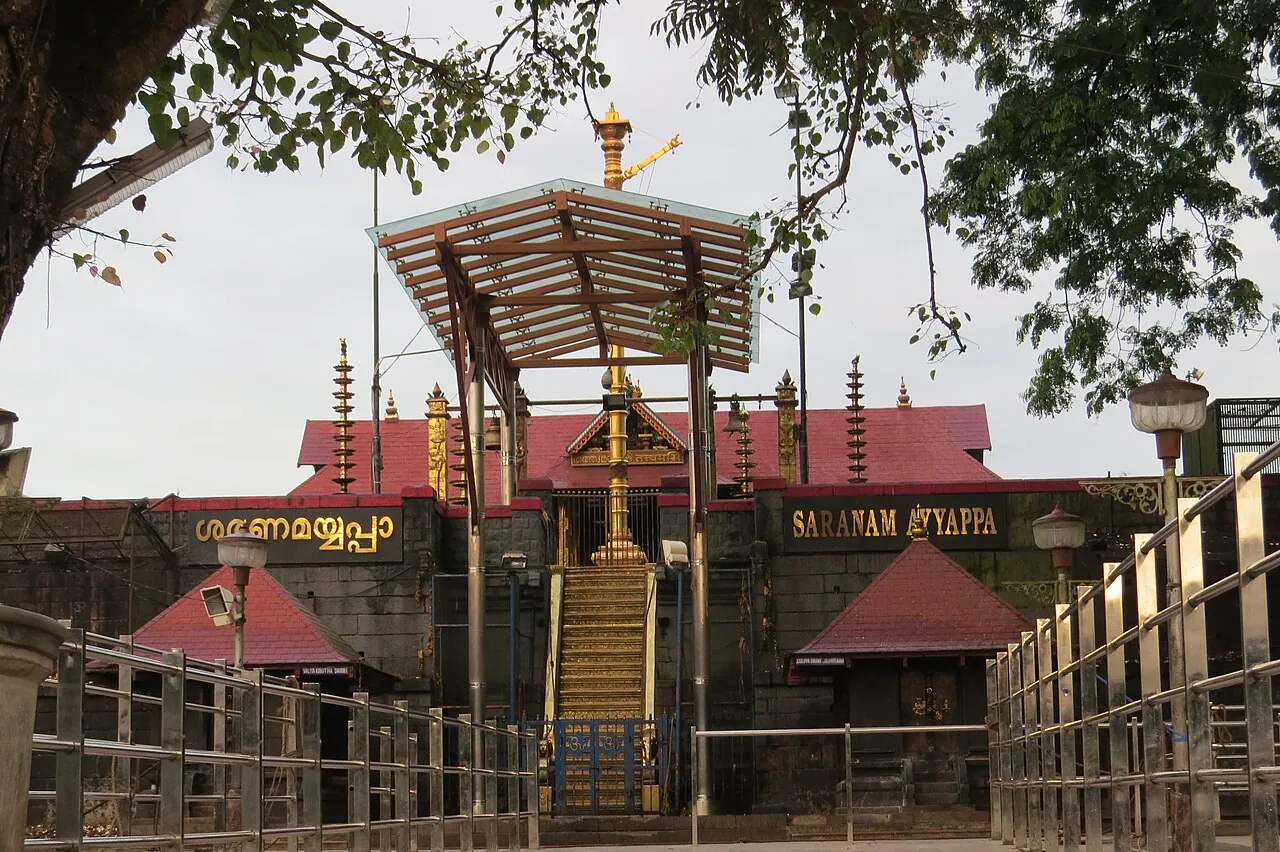
The pilgrimage is a discipline in itself. Devotees keep a 41-day vratham of celibacy, vegetarian food and prayer, wear black or blue, and carry the irumudi kettu, a two-part bundle of offerings, on their heads. Only those carrying the irumudi climb the eighteen sacred steps, the Pathinettampadi, to the shrine. For Makaravilakku, the Lord's sacred ornaments (Thiruvabharanam) are carried in procession from the Valiyakoikkal temple at Pandalam, reaching the shrine on the festival day.
The temple is administered by the Travancore Devaswom Board. It is not open all year: the main season runs from the first day of the Malayalam month of Vrischikam (mid-November) into January, and at other times the shrine opens mainly for the first few days of each Malayalam month and for Vishu. Long-standing custom has kept women of roughly 10 to 50 years from the pilgrimage; the Supreme Court ruled against this restriction in 2018, and review petitions and related questions are still before a larger bench, so pilgrims should follow the Board's current guidance.
Highlights
- Hill shrine inside the Periyar Tiger Reserve, Western Ghats
- 41-day vratham and the irumudi kettu carried on the head
- Eighteen sacred steps climbed only with the irumudi
- About 5 km climb on foot from Pamba
- Darshan booked through the official virtual queue in season
Gallery
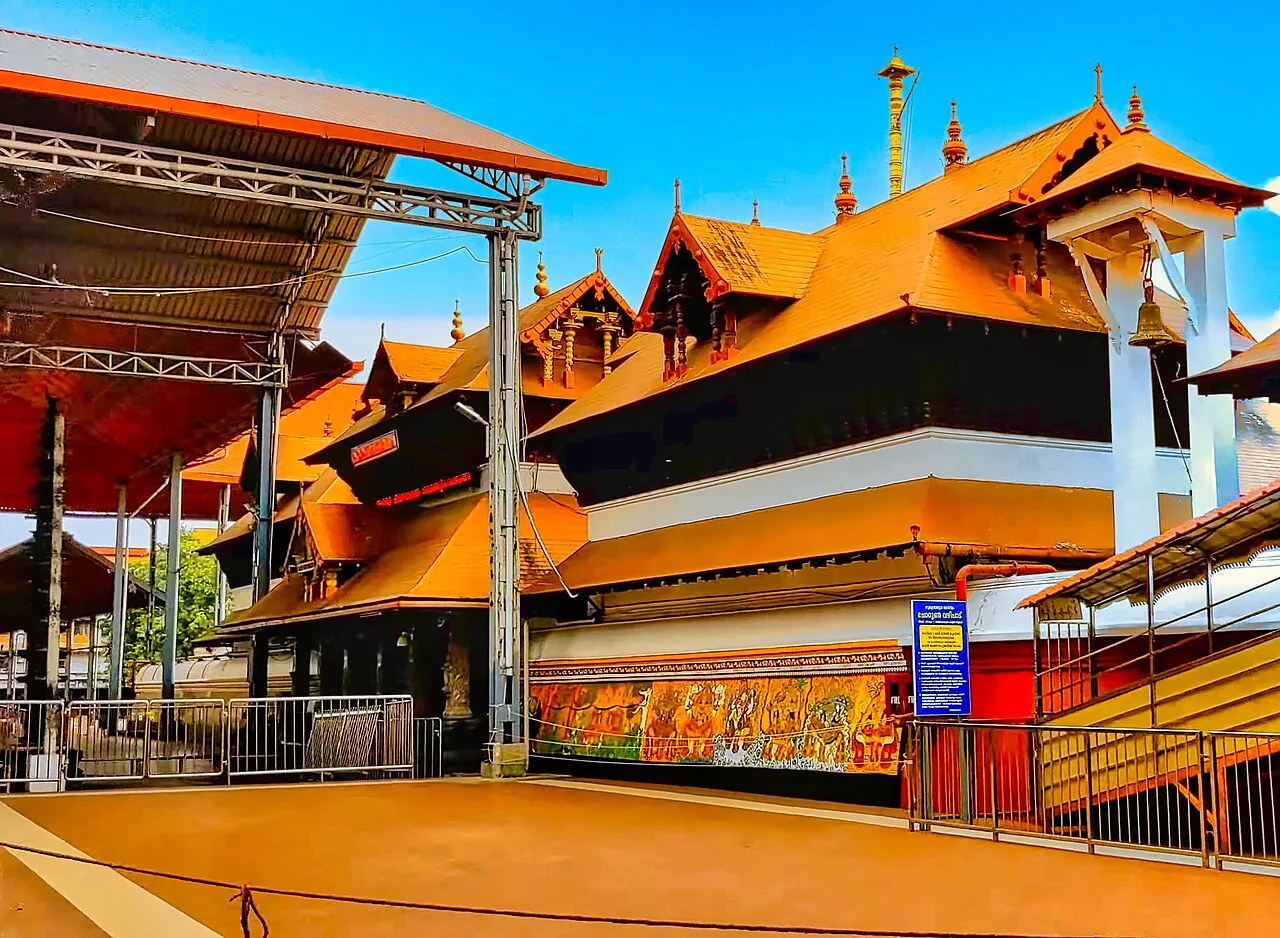
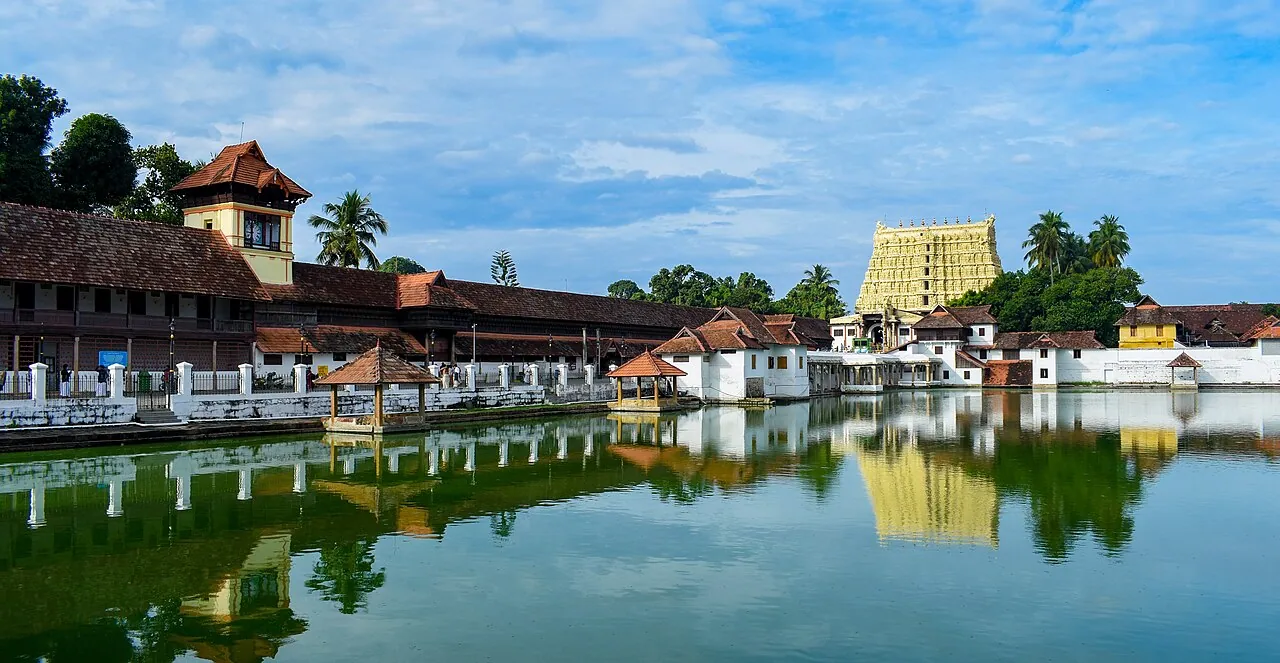
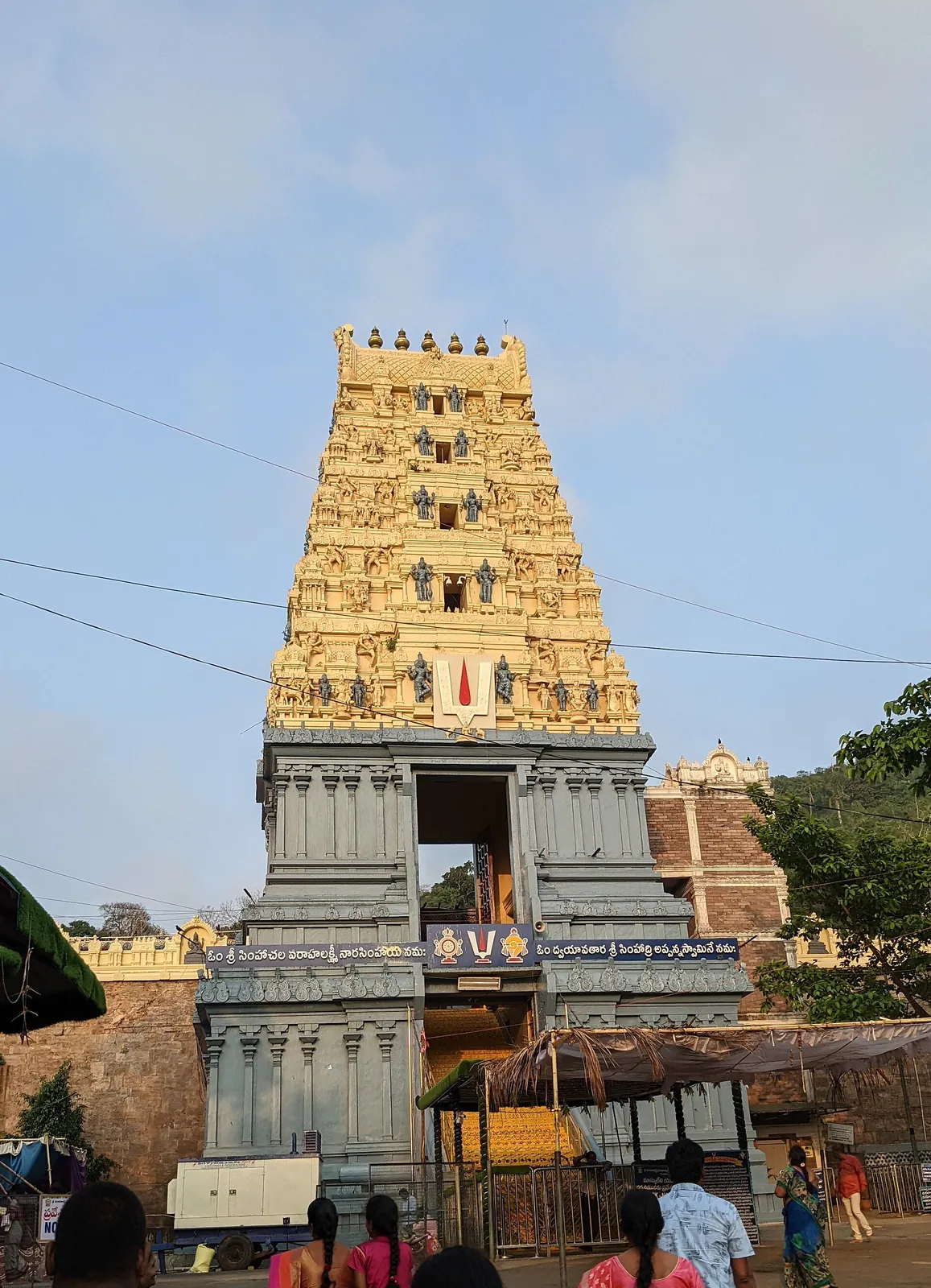
Sabarimala in pictures
Plan your darshan
Darshan & seva timings
- Temple opens (TDB pooja schedule)5:00 AM (earlier in the main season)
- Ucha Pooja and midday closing (TDB)12:30 PM, closing about 1:00 PM
- Harivarasanam and night closing (TDB)about 9:50 PM
Sabarimala opens only on set days, and the Board changes hours during the Mandala–Makaravilakku season (doors have opened at 3:00 AM in season). Please confirm current timings with the Travancore Devaswom Board and book darshan through the official virtual queue before you travel.
Main festivals
Mandala season
From 1 Vrischikam (mid-November), about 41 days
Mandala Pooja
Late December (27 December in the 2026–27 season)
Makaravilakku
Makara Sankranti, around 14 January
Monthly poojas and Vishu
First days of each Malayalam month; Vishu in April
How to reach
Getting to Sabarimala
Sabarimala is roughly 1,500 km from Visakhapatnam. Pilgrims usually take a train or flight to Kerala, travel by road to Nilakkal and Pamba, and climb on foot from Pamba.
By road
Motor vehicles go only as far as Pamba (with parking at Nilakkal); from Pamba the shrine is about 5 km on foot via Neelimala.
By train
Chengannur and Kottayam are commonly used railheads, with KSRTC buses to Pamba in season.
By air
Thiruvananthapuram and Kochi international airports are the usual airports for Sabarimala pilgrims.
Location
Location & directions
Sabarimala Sree Dharma Sastha Temple, Sannidhanam, Pathanamthitta district, Kerala 689662
Good to know
Frequently asked questions
When is Sabarimala temple open?
Mainly in the Mandala–Makaravilakku season from mid-November to January, and for the first days of each Malayalam month and Vishu. Check TDB notices for exact dates.
Do I need to book darshan at Sabarimala?
Yes. In season the Travancore Devaswom Board manages darshan through an online virtual queue with daily limits; book early on the official portal.
Who can go to Sabarimala?
The temple welcomes devotees of all faiths. By long custom, women of about 10 to 50 years do not undertake the pilgrimage; the matter is before the Supreme Court, so follow the Board's current guidance.
What is the irumudi kettu?
A two-part bundle of offerings that pilgrims carry on their heads. Only those carrying it may climb the eighteen sacred steps to the shrine.