Brahma-Madhva-Gaudiya
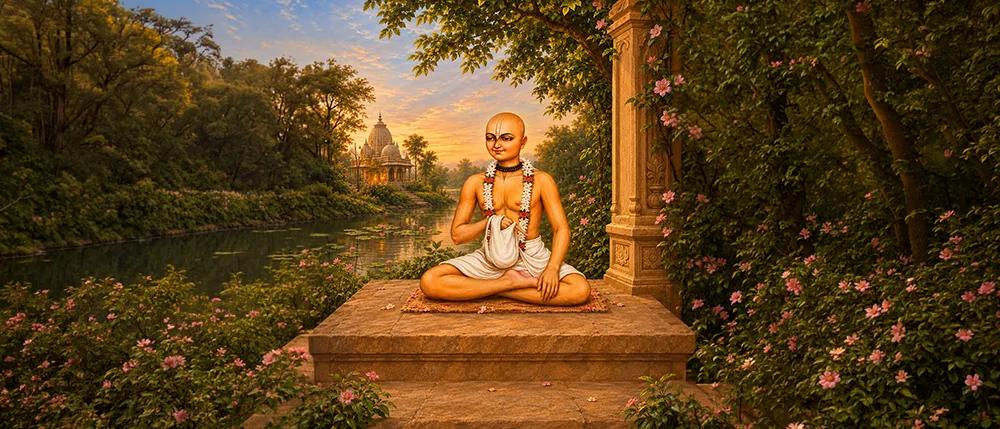
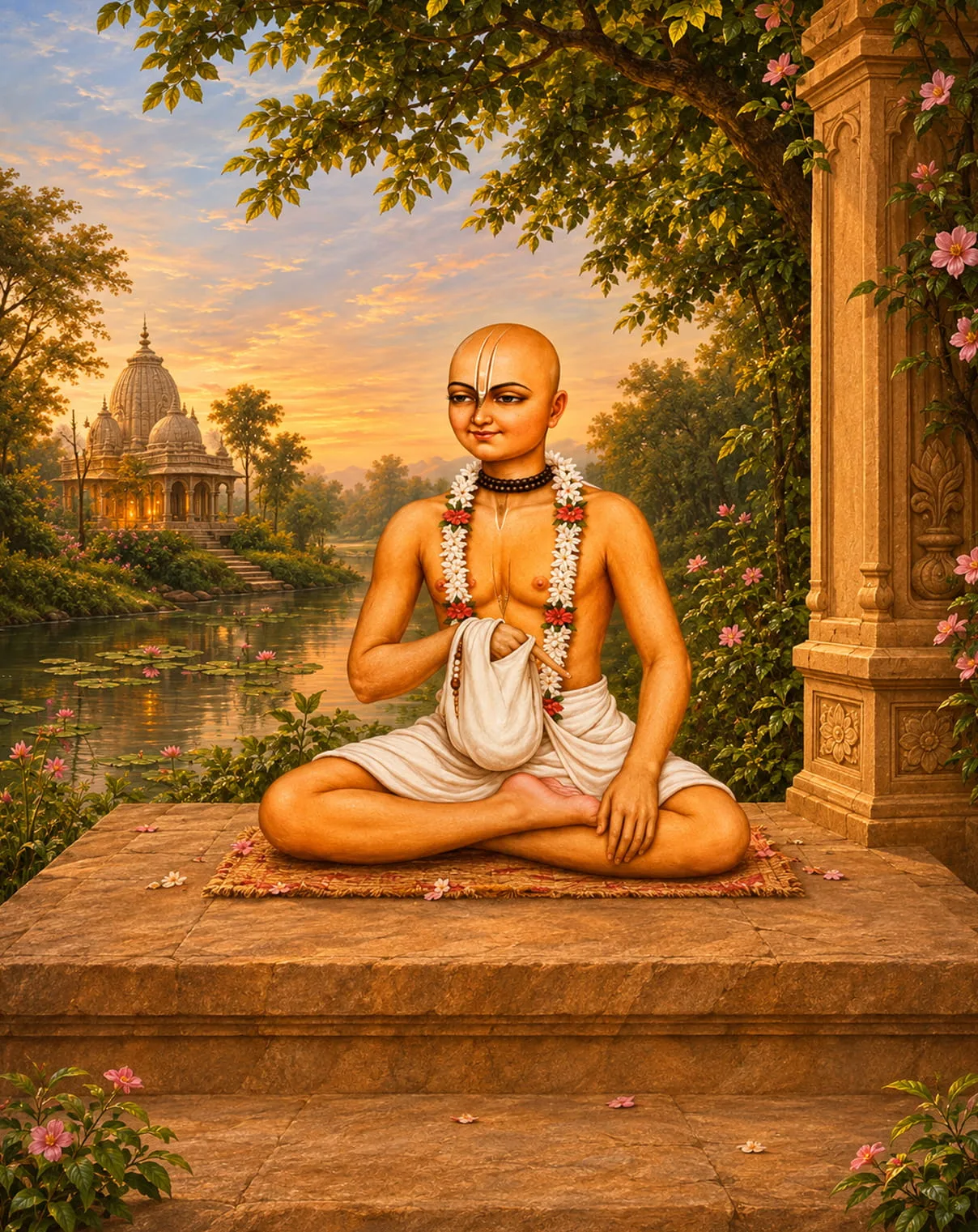
Srila Sanatana Gosvami
Senior-most of the Six Goswamis of Vrindavan
Also known as Sanatana Gosvami
Appearance
1488
Bakla-Chandradvip (Barisal), East Bengal
Disappearance
1558 (Guru Purnima)
Chakra-tirtha, Govardhana
Sampradaya
Brahma-Madhva-Gaudiya
Category
Six Goswamis
View
The eldest of the Six Goswamis, who left high office under the Nawab of Bengal, received Lord Chaitanya's teachings in Varanasi, and established the worship of Sri Madana-mohana.
- Humility
- Scholarship
- Renunciation
- Compassion
- Charity
- Love for the Vrajavasis
His life
Biography
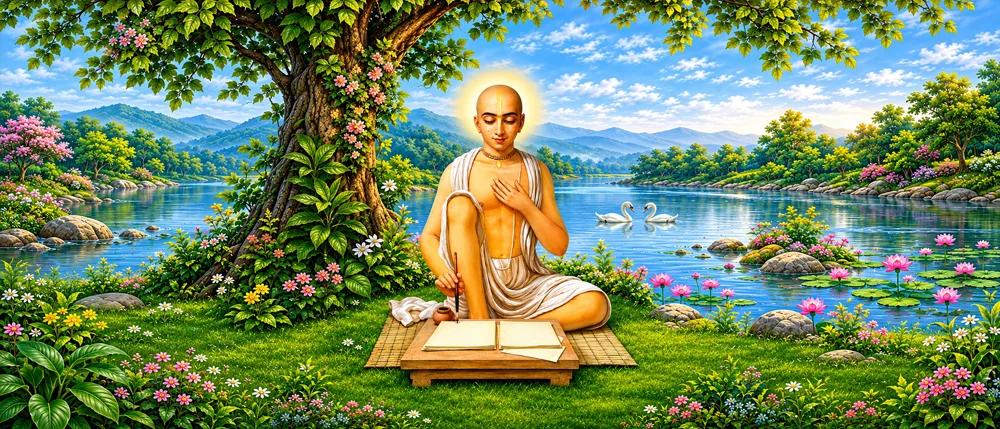
Srila Sanatana Gosvami (1488-1558), Rati-manjari or Lavanga-manjari in Krishna-lila, was the elder brother of Rupa Gosvami and the senior-most of the Six Goswamis. A great scholar, he served as revenue minister (Sakara Mallik) to the Nawab of Bengal before leaving government service to join Mahaprabhu. In Varanasi the Lord taught him for two months on sambandha, abhidheya and prayojana, the essence of Vaishnava philosophy. In Vraja he lived under trees and in simple kutirs, rediscovered holy places, and worshipped Sri Madana-mohana, whose temple became the first of Vrindavan's great temples. His books include Brihad-bhagavatamrita, Hari-bhakti-vilasa and the Dasama-tippani commentary on the Tenth Canto. On Guru Purnima, when devotees gathered at his kutir at Chakra-tirtha for the annual Govardhana parikrama he always led, they found he had left his body while chanting. His samadhi is beside the Madana-mohana temple.
As a householder he wrote Sadachara-paddhati, gave food daily to brahmanas, the poor and lepers, and studied under Vidya-vachaspati, Sarvabhauma Bhattacharya and other scholars. In Vraja he moved from place to place, keeping bhajana kutirs at Vrindavan, Gokula-Mahavan, Kamyavan, Shyama-kunda and Chakra-tirtha, and was loved by the Vrajavasis as a father. The Madana-mohana temple, built with the help of the merchant Ramadasa Kapoor, was completed in 1580. Hari-bhakti-vilasa, compiled with Gopala Bhatta Gosvami, remains the standard guide to Vaishnava conduct.
His instructions
Teachings
Sambandha, abhidheya and prayojana: knowing one's relationship with Krishna, acting in devotional service, and attaining love of God. A devotee's behaviour should follow the standards set out in Hari-bhakti-vilasa.
Through the years
Timeline
- 1488
Appearance
Bakla-Chandradvip (Barisal)
Born to Kumaradeva and Revati Devi.
- 1514
Meets Lord Chaitanya at Ramakeli
Ramakeli, Bengal
A pivotal meeting with the Lord while serving as minister to Nawab Hussain Shah.
Leaves government service
Gauda, Bengal
Escaped the Nawab's service to join the Lord.
Teachings in Varanasi
Varanasi
Received Lord Chaitanya's instructions for two months.
- 1554
Completes Brihad-vaishnava-toshani
Vrindavan
Finished his commentary on the Tenth Canto.
- 1558Guru Purnima, 1558
Disappearance
Chakra-tirtha, Govardhana
Left his body while chanting; his samadhi is beside the Madana-mohana temple.
His writings
Books
Scroll the shelf

The acharyas
More acharyas
Continue along the disciplic succession.
Srila Rupa Gosvami
Foremost of the Six Goswamis of Vrindavan
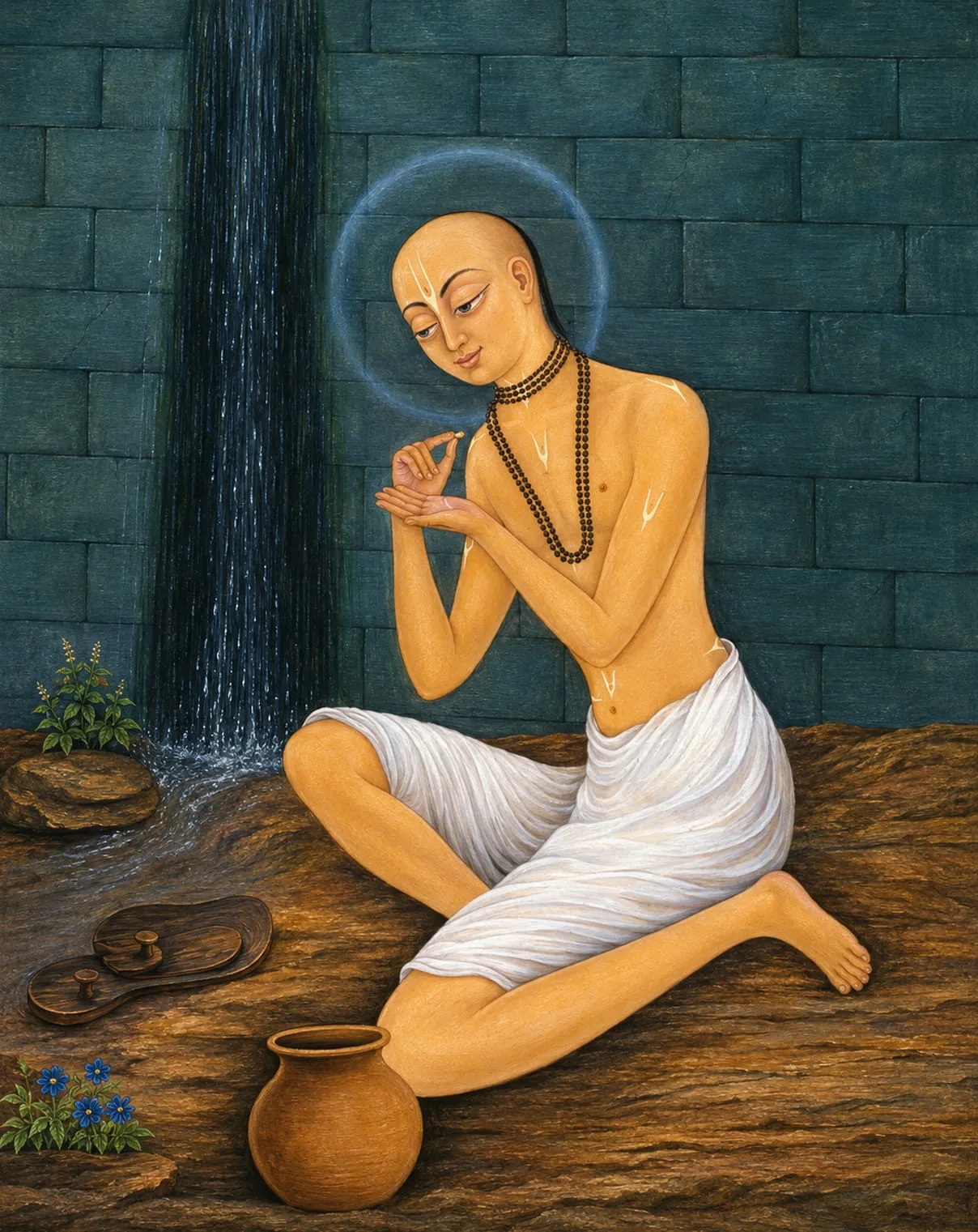
Srila Raghunatha Dasa Gosvami
One of the Six Goswamis of Vrindavan, the prayojana-acharya
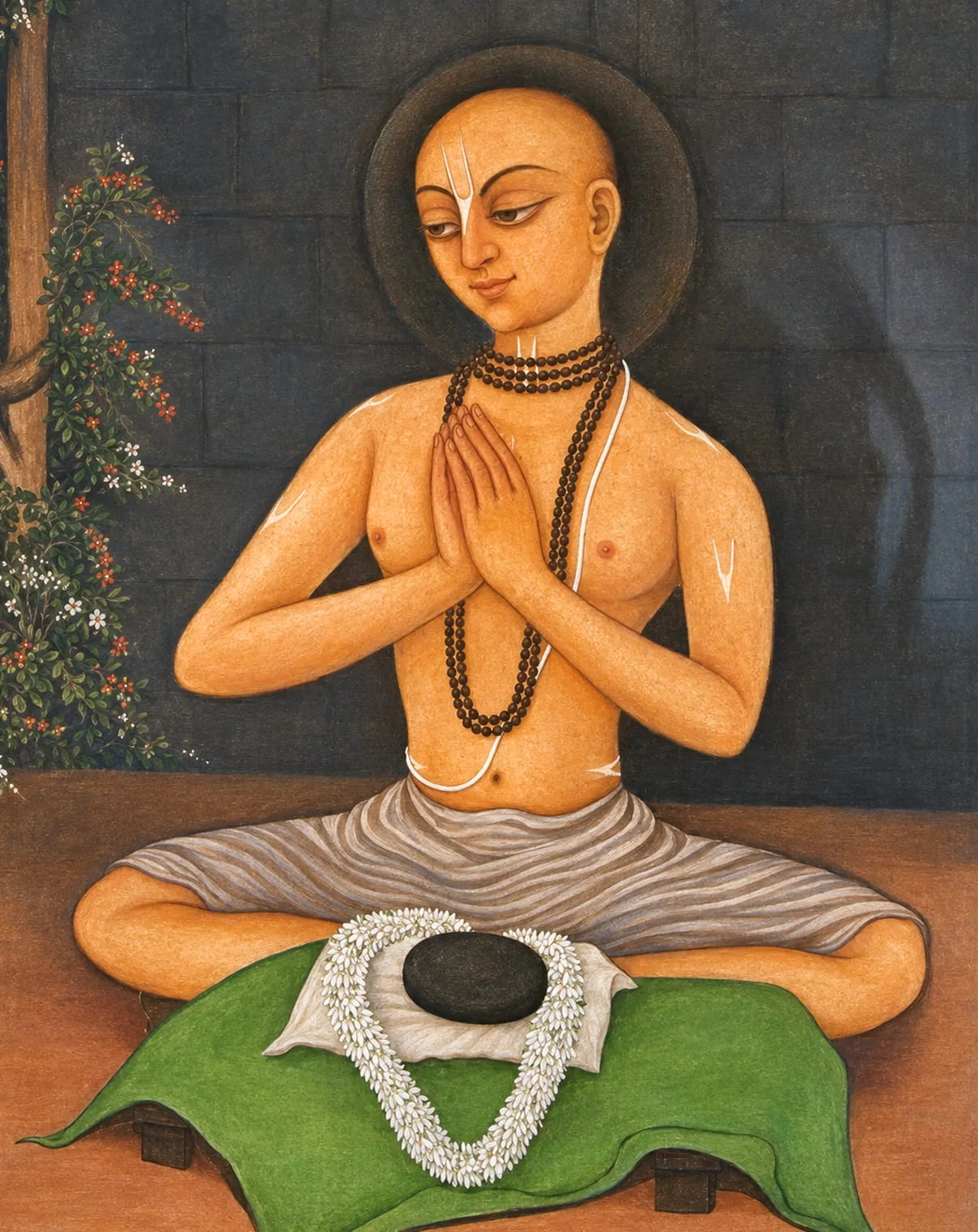
Srila Gopala Bhatta Gosvami
One of the Six Goswamis of Vrindavan, founder of the Radha-ramana temple
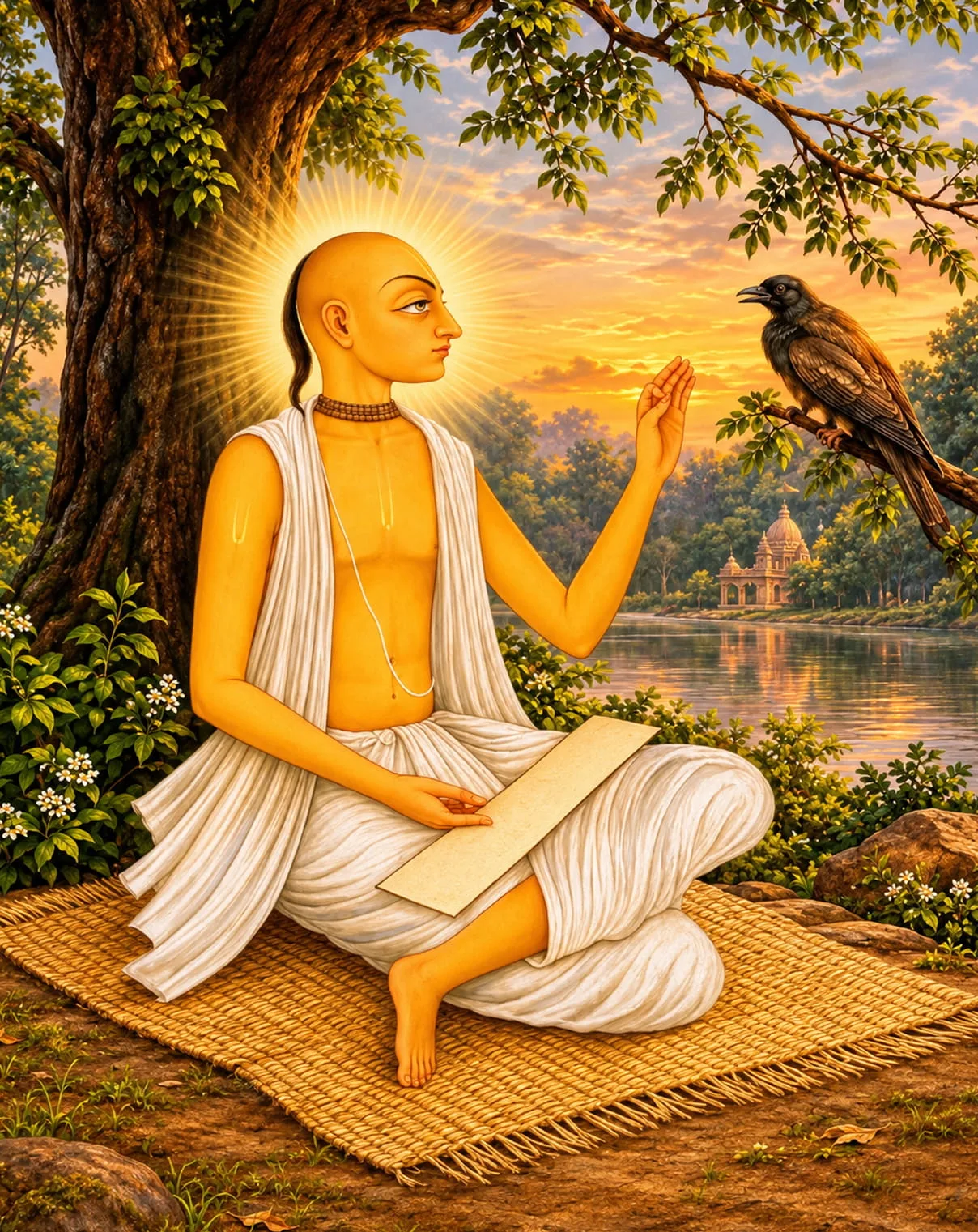
Srila Raghunatha Bhatta Gosvami
One of the Six Goswamis of Vrindavan, master reciter of Srimad-Bhagavatam